01
No direct-to-consumer channel
Sales depended entirely on distributors with no visibility into end customers or downstream demand signals.
How Linearloop turned a traditional paint business into a tech-enabled commerce and logistics ecosystem — with a rider delivery app, loyalty engine, multi-location fulfillment, and full payment transparency, built and launched in 6 months.
5
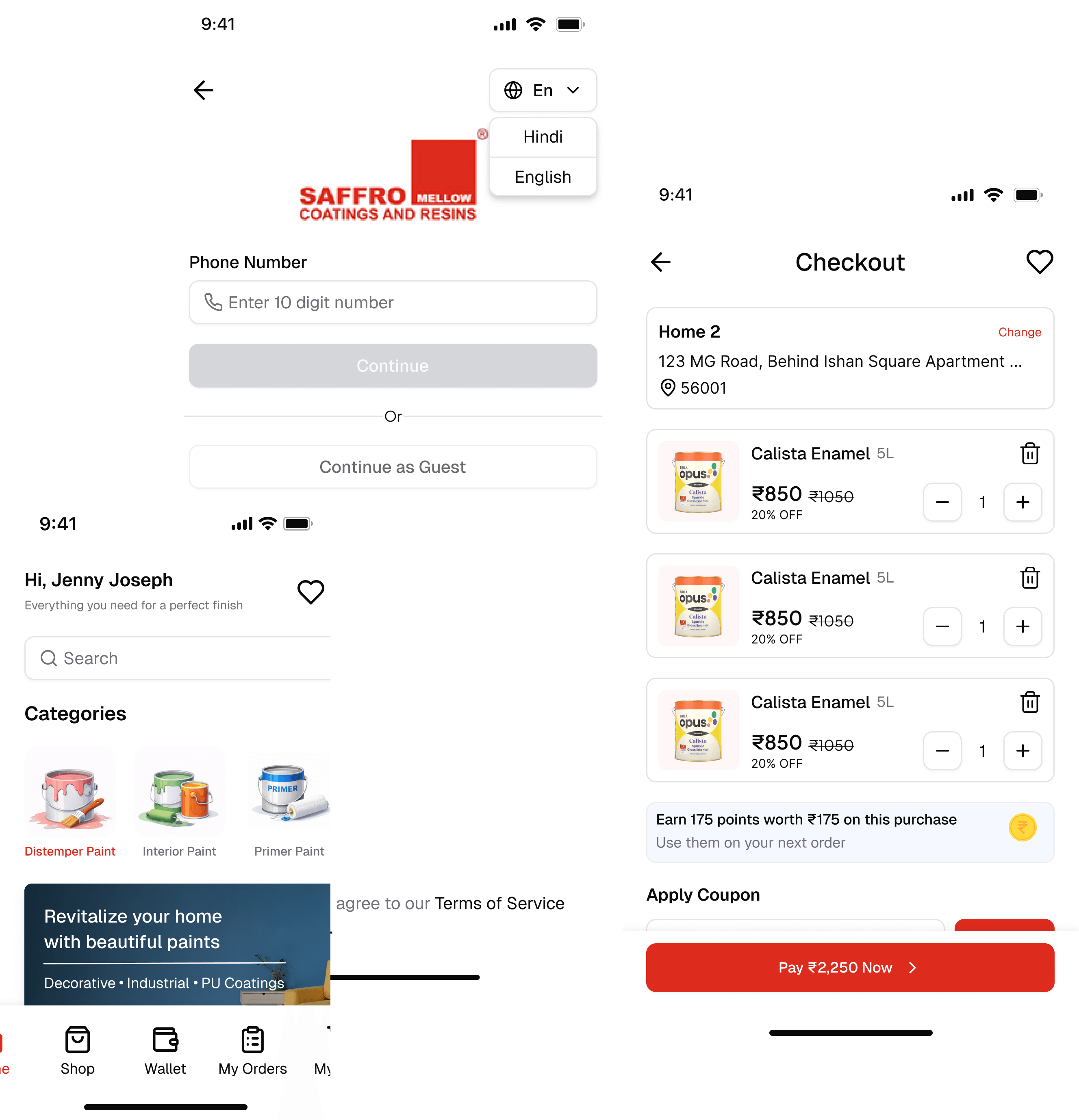
Integrated modules on one platform
3
Payment modes — prepaid, partial, COD
6 mo
Discovery to launch
Platform Overview
Admin
Warehouse
Rider
Customer
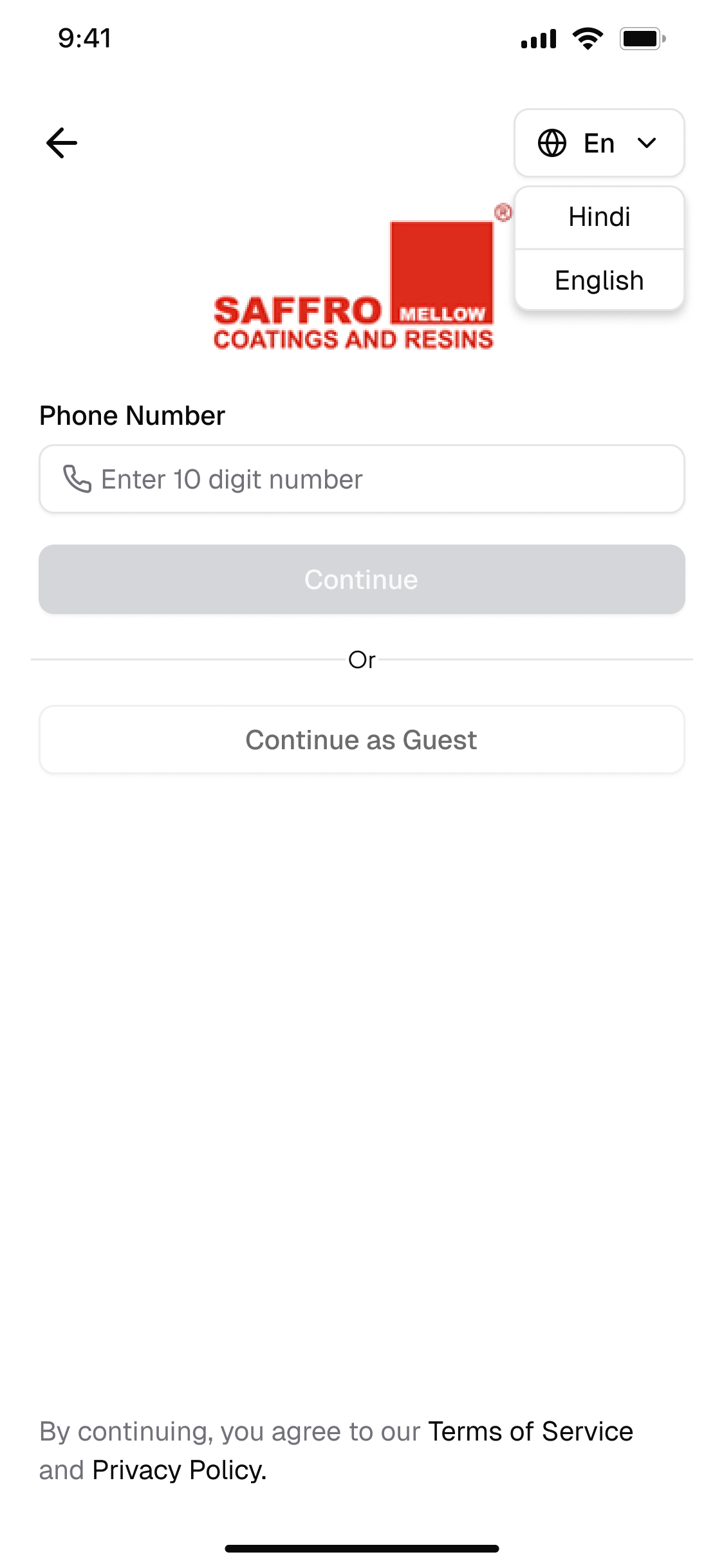
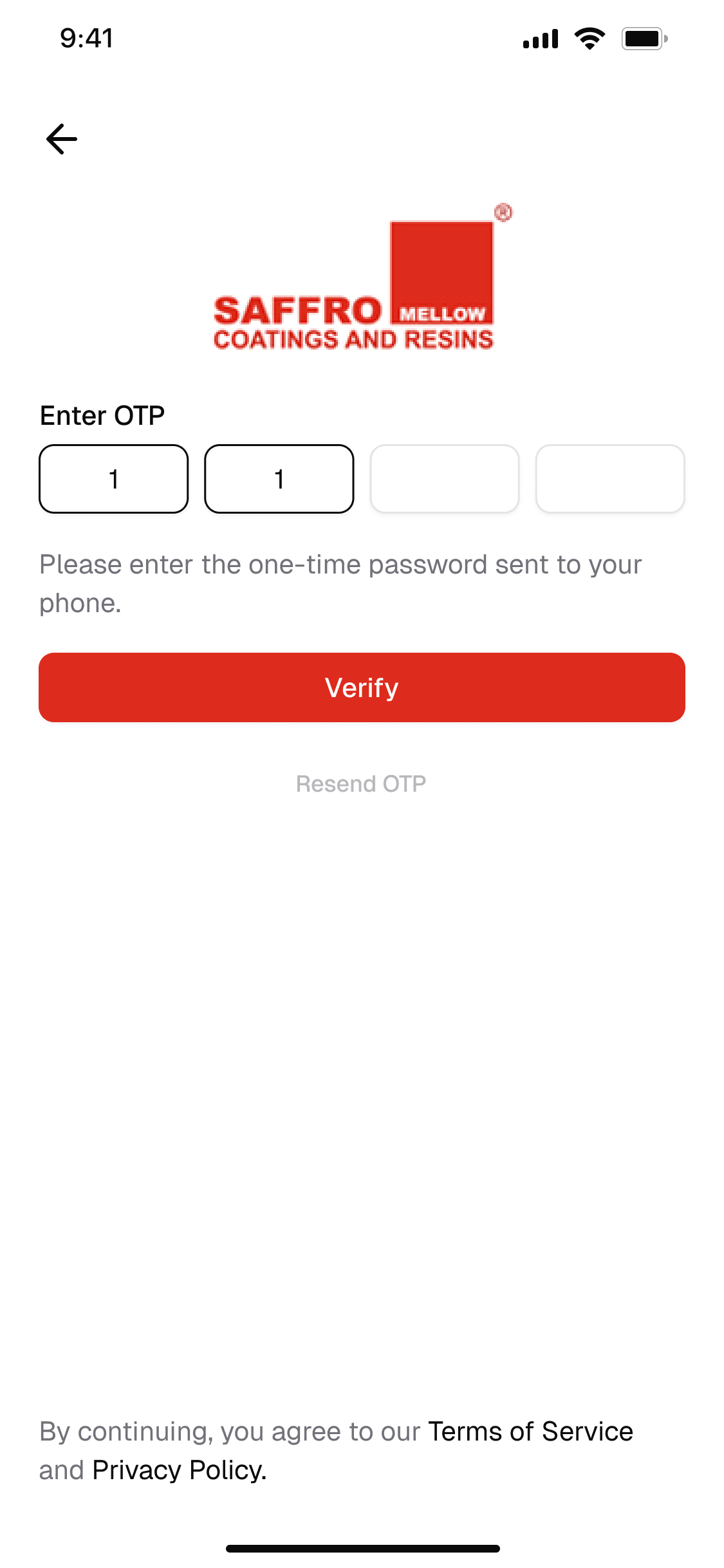
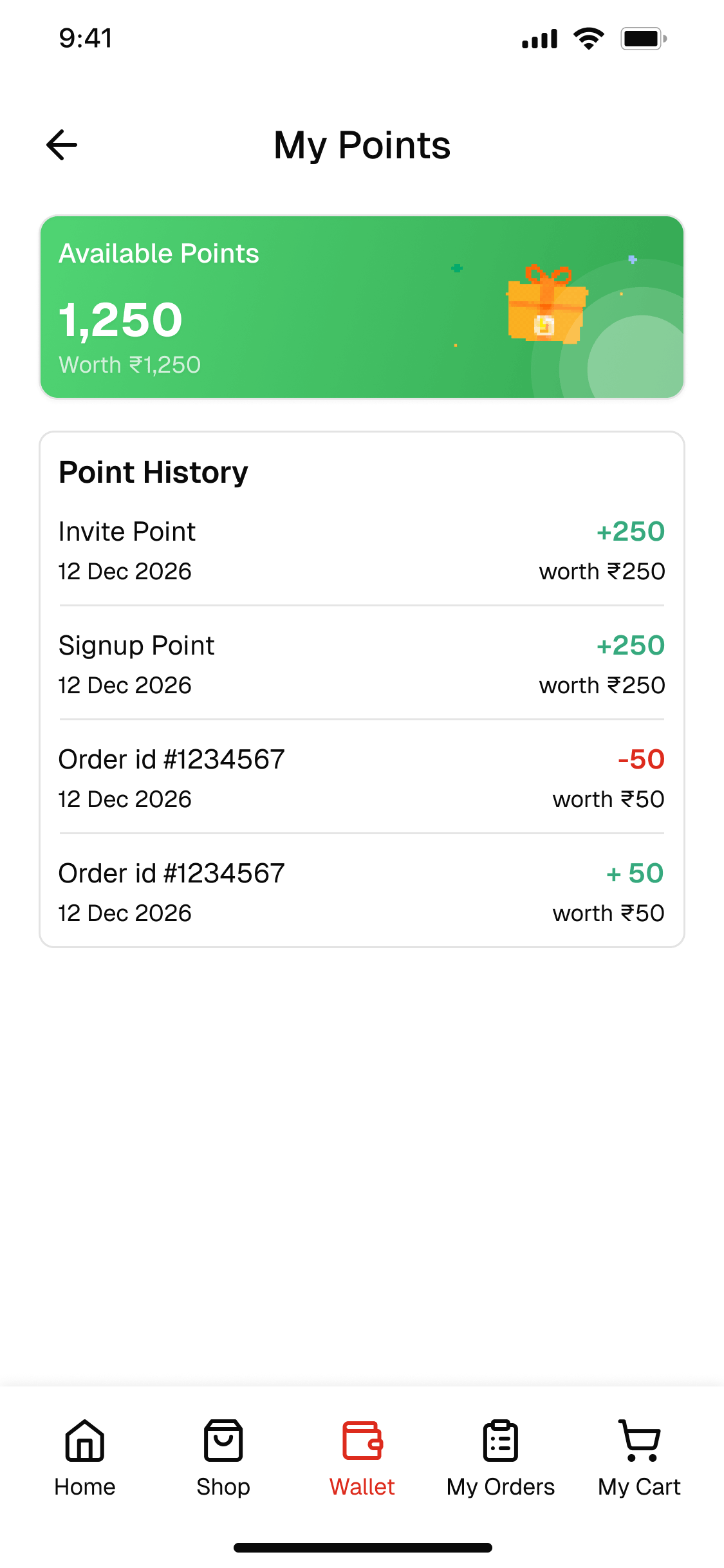
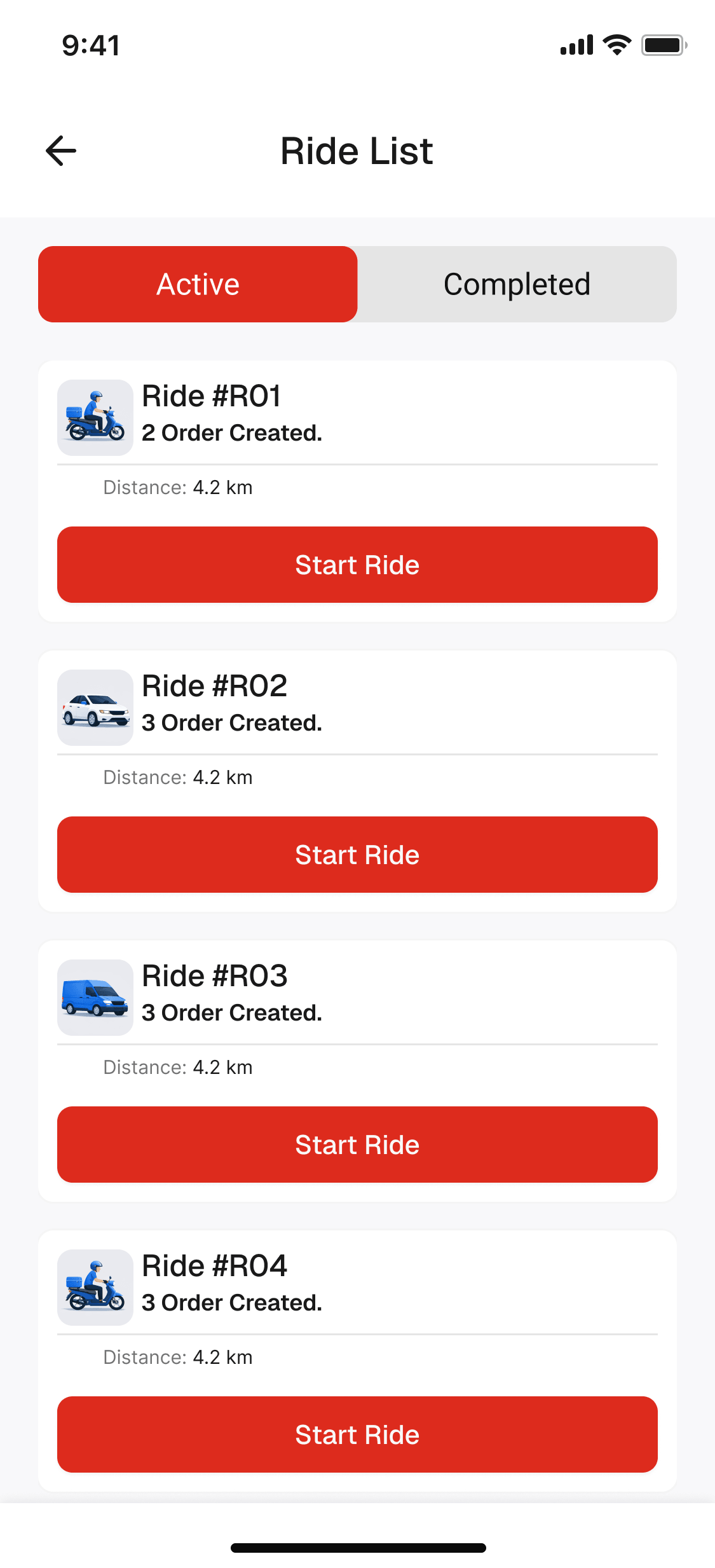
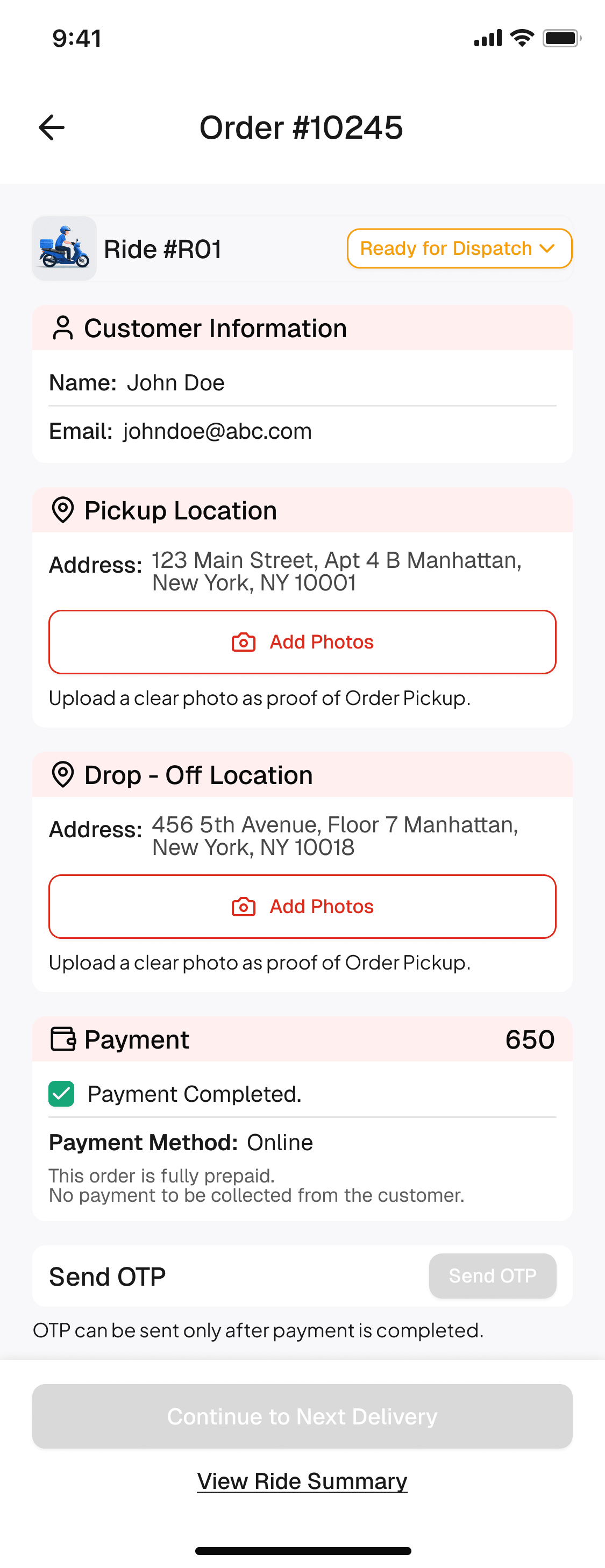
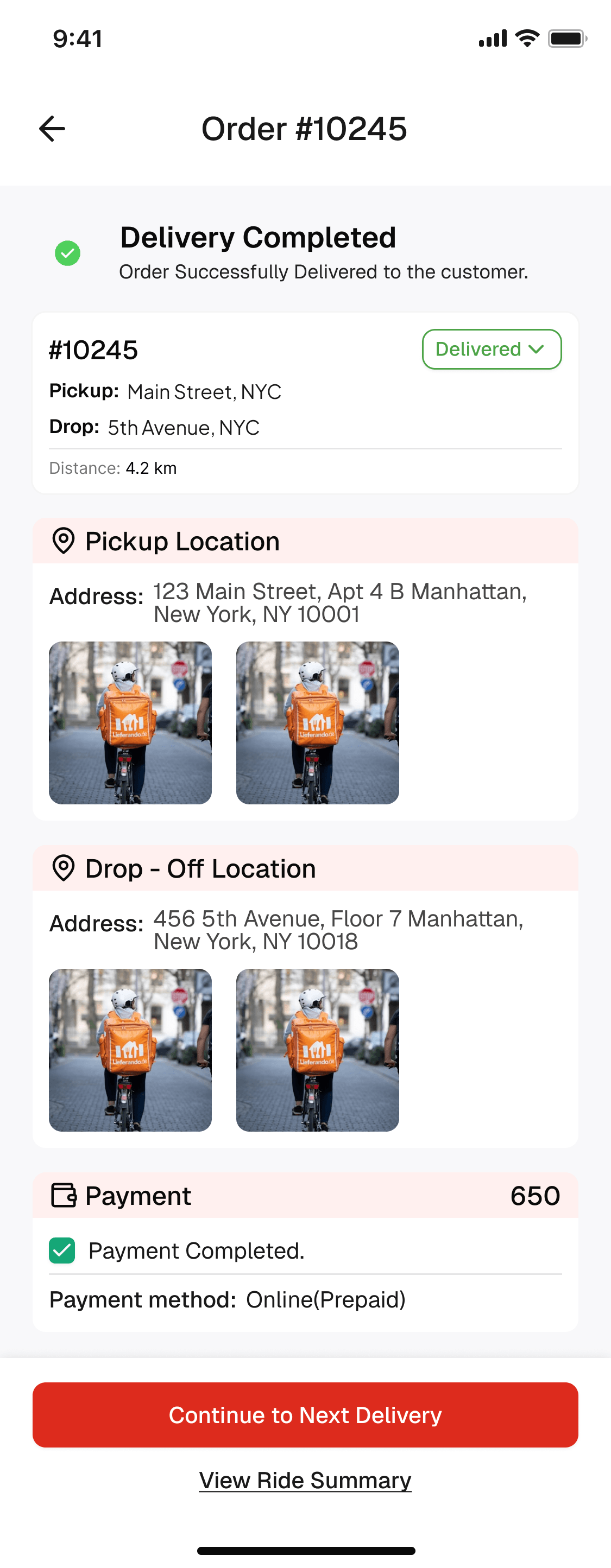
App screens
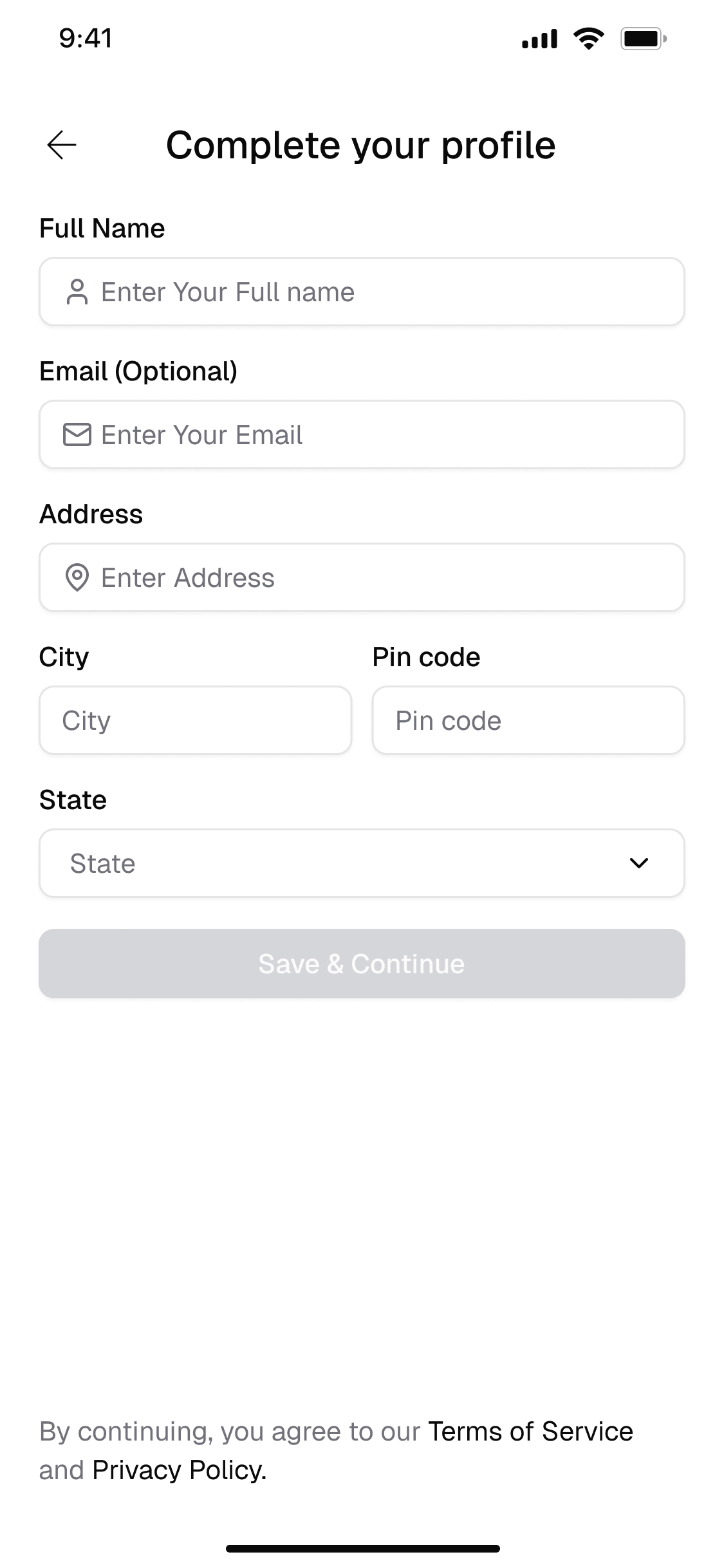
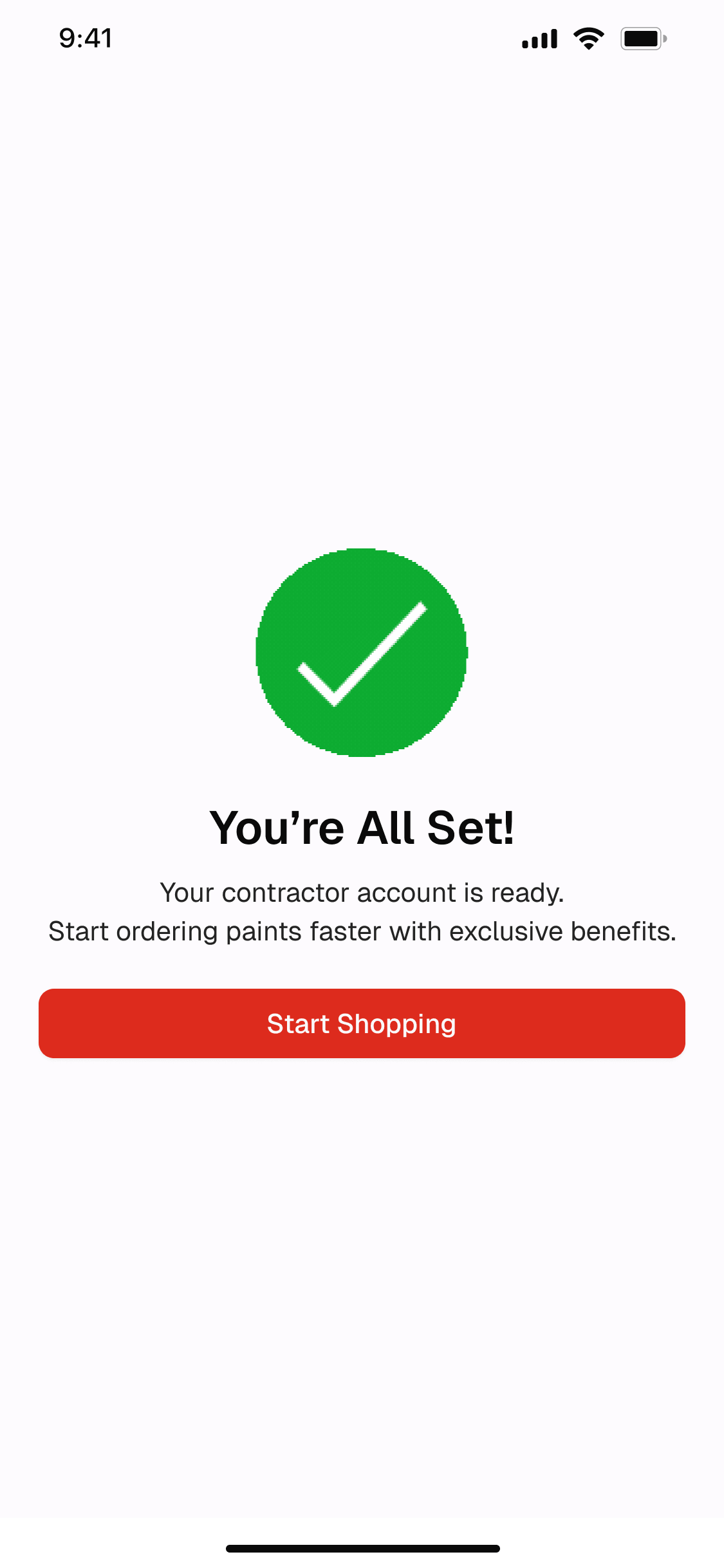
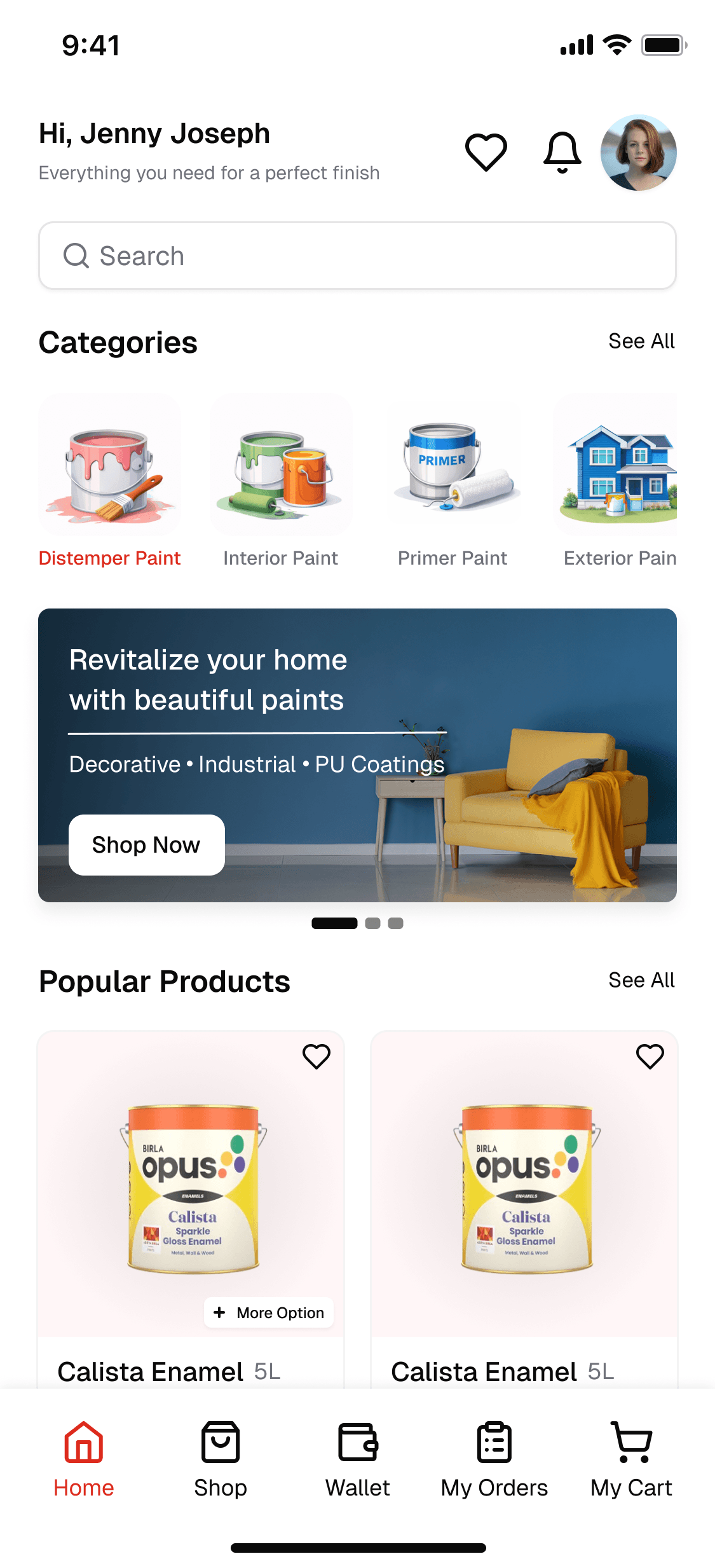
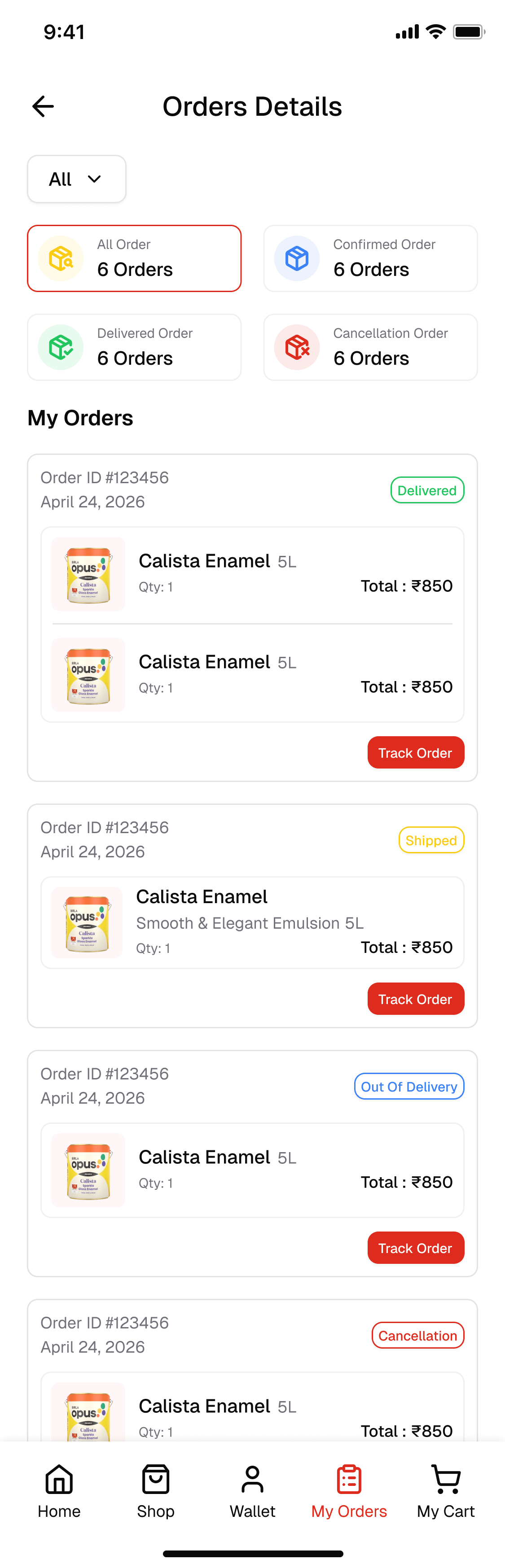
The Problem Space
01
Sales depended entirely on distributors with no visibility into end customers or downstream demand signals.
02
Fulfillment was handled manually with no structured driver-location or vehicle mapping across routes.
03
There was no system to incentivize repeat purchases from contractors and buyers through points or referrals.
04
Payment collection across prepaid, partial, and COD lacked rider-level visibility, making disputes and reconciliations common.
This wasn't a website build. It was a commerce engine, a logistics management system, a payment workflow, and a loyalty program — all integrated into one ecosystem, built to scale.
Making a Difference
| Before | After |
|---|---|
No online sales channel. Business relied entirely on distributors and direct contractor relationships. | Built a full B2C commerce platform with weight-based product variants, order management, and seamless checkout. |
Driver and vehicle assignment was manual with no location-based logic or visibility. | Built a driver-location mapping and vehicle-location association system — full assignment clarity for operations. |
No loyalty or referral infrastructure. No mechanism to incentivize repeat purchases. | Engineered a configurable loyalty engine supporting flat points and referral bonuses — admin-controlled, no dev needed. |
Riders had no clarity on payment state per order — COD, partial, and prepaid were indistinguishable. | Built payment-state-aware rider UI that surfaces collection requirements clearly per order. |
Communication was unstructured. No compliant SMS or email system in place. | Integrated Jio DLT-compliant SMS and Novu for email — templated, approved, operationally reliable from day one. |
Our Process
Full requirement mapping, API contract definition, and architecture planning before a single line of code was written
API structure finalized and tested before UI work began — reducing rework and integration friction
Iterative delivery with weekly milestones, tracked on Basecamp throughout the engagement
Progress validated against delivery scope every week with the primary stakeholder
Admin-configurable toggles built from the start — features activated without developer involvement
1 Product Owner · 1 Backend Developer · 1 Designer · 1 Flutter Developer · 1 QA
What we built
Module 01
Full B2C storefront with weight-based variants, order tracking, partial payment support, and loyalty redemption.
Module 02
Mobile-first progressive web app with payment-state-aware order views and real-time location assignment.
Module 03
Config-driven rewards supporting flat points and referral bonuses — fully manageable from the admin panel.
Module 04
Structured driver-vehicle-location mapping replacing manual assignment with accurate, trackable logistics.
Module 05
Centralized control for inventory, orders, rider management, loyalty config, FAQs, policies, and brand settings — no developer dependency for day-to-day operations.