We're officially a Great Place To Work® certified company, India | 2026–27

Mayank Patel
Jul 31, 2024
6 min read
Last updated Jul 31, 2024
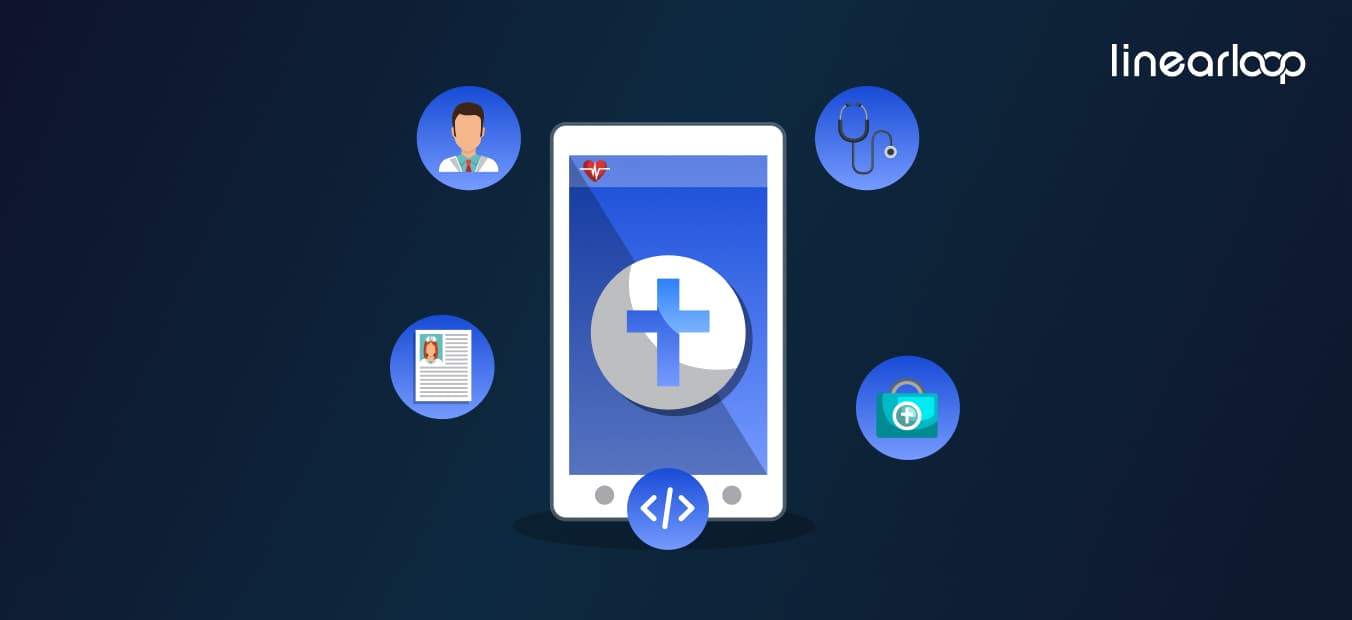
Remember the days when a doctor's appointment meant clearing your schedule and sitting in a waiting room? Those days are rapidly becoming a thing of the past, thanks to telehealth innovations. The global telehealth market is projected to reach a staggering $396.76 billion by 2027, growing at a CAGR of 25.8% from 2020 to 2027.
What fuels this astonishing surge? Telehealth significantly enhances access to healthcare, particularly for individuals in rural and underserved communities. Picture someone living in a distant village who can connect with a specialist located hundreds of miles away through a smartphone application. Such is the extraordinary power of telehealth.
Looking ahead, telehealth software development emphasizes crafting increasingly immersive and engaging virtual consultation experiences. The potential is simply mind-blowing!
While telehealth transforms healthcare access, artificial intelligence along with machine learning drives a revolution in delivery methods. These concepts extend beyond mere trends – they manifest as formidable instruments enhancing myriad facets of health services, stretching from diagnosis through drug innovation.
Did you realize AI holds the capability to pinpoint specific cancer types with precision rivaling that of seasoned pathologists? Research detailed in Nature Medicine demonstrated an AI model's ability to accurately identify breast cancer in mammograms akin to expert radiologists. AI also expedites drug development processes, uncovering prospective drug candidates in a mere fraction of the duration traditional practices would typically require.
As we advance, we foresee AI and machine learning embedding more deeply into clinical workflows, redefining healthcare software development. Anticipate AI-driven clinical decision-making systems that can process immense volumes of patient information instantaneously, supplying medical professionals with evidence-grounded insights.
Recall your last experience or that of someone dear requiring hospitalization for observation; often these stays culminate in discomfort, disruption, and significant expenses. Enter remote patient monitoring (RPM) – a burgeoning trend poised to revolutionize chronic condition management and post-operative support.
RPM utilizes interconnected devices to gather medical data from individuals located in one area and securely relay that information to health providers stationed elsewhere.
As we move forward, RPM software development centers on creating increasingly sophisticated, user-friendly devices and systems. Envision wearable technology that perpetually tracks vital signs, intelligent pills monitoring medication adherence, alongside ingestible sensors delivering instant data on an individual's internal wellness.
The ultimate aspiration?
To cultivate a "hospital at home" atmosphere enabling individuals to receive unparalleled care within the safety of their personal spaces.
Also Read: A Ultimate Guide to Custom Healthcare Software Development 2024
When pondering blockchain technology, cryptocurrencies frequently spring to mind. Yet this innovative framework boasts extensive ramifications for the realm of healthcare, especially concerning the safeguarding of data integrity alongside seamless connectivity among varied systems.
The decentralized and unchangeable qualities inherent within blockchain render it a superb mechanism for protecting confidential patient information. It has the ability to forge an incorruptible ledger of medical data exchanges, thereby maintaining data integrity while bolstering the privacy of patients.
We are witnessing the rise of blockchain-enabled electronic health records (EHRs) that individuals can completely manage, and securely share with any practitioner of their choosing. Furthermore, there’s a growing presence of blockchain-driven supply chain oversight systems within the healthcare sector, which safeguard the legitimacy of medical products while curtailing the prevalence of counterfeit medications.
The Internet of Things (IoT) has permeated the healthcare landscape, giving rise to the Internet of Medical Things (IoMT). This intricate web of interconnected medical apparatuses is revolutionizing healthcare delivery, patient oversight, and facility administration.
Forecasts indicate that the worldwide IoMT market may soar to an impressive $352.88 billion by 2027, boasting a compound annual growth rate (CAGR) of 20.2% from 2020 through 2027. Looking to the future, IoMT software development aims to create increasingly smart and interconnected ecosystems of medical devices.
From intelligent pills designed to monitor medication adherence to linked inhalers capable of forecasting asthma attacks, IoMT empowers proactive and customized healthcare like never before. Imagine hospital rooms that automatically adjust to patient needs, intelligent ambulances transmitting real-time patient information to facilities, and IoMT-integrated cities that monitor and respond to public health dynamics instantaneously.
Healthcare cannot be one-size-fits-all, especially when addressing individual needs. Personalized medicine, also known as precision medicine, embraces the unique differences in individuals' genes, environments, and lifestyles. Software development plays a crucial role in making this vision a reality.
Projections suggest that the global personalized medicine sector is set to reach a remarkable $796.8 billion by 2028, experiencing a CAGR of 6.2% from 2021 until 2028. This impressive growth finds its roots in breakthroughs within genomic sequencing technologies alongside a surge in the adoption of AI and machine learning within healthcare.
The outlook for personalized healthcare software development is thrilling. We anticipate AI-driven platforms equipped to analyze a patient’s genetic makeup, lifestyle components, and medical background to suggest customized treatment strategies.
In a landscape where healthcare generates monumental amounts of information, the need for adaptable, agile, and affordable storage and computational solutions has surged to unprecedented heights. Enter cloud computing—an innovative technology transforming healthcare IT frameworks.
These cloud-based solutions empower healthcare institutions to securely house and analyze expansive files of data while fostering collaboration among medical professionals. They even fuel sophisticated analytics alongside artificial intelligence applications.
Looking ahead, the realm of cloud computing in healthcare software development centers on crafting increasingly intricate, specialized solutions tailored to the industry. Imagine HIPAA-compliant platforms seamlessly melding with current healthcare IT systems.
Also Read: What is the Role of Generative AI in Healthcare and Medicine Industry?
As healthcare embraces a more digital future, the necessity for formidable cybersecurity protocols cannot be minimized. This sector has turned into a lucrative target for cybercriminals, with breaches costing an average of 7.13 million dollars per incident in 2020.
Projecting forward, the worldwide healthcare cybersecurity sector is poised to ascend to 125.78 billion dollars by 2025, achieving a compound annual growth rate of 15.6% from 2020 to 2025.
The forthcoming landscape of cybersecurity within healthcare software innovation is set to emphasize crafting more intelligent and preemptive security frameworks. Envision systems powered by AI that swiftly pinpoint and address looming security threats at the moment.
That smartphone nestled in your pocket is rapidly evolving into a remarkably potent ally for health management. Mobile health (mHealth) applications are reshaping our approaches to overseeing personal wellness, obtaining medical knowledge, and engaging with healthcare professionals.
Forecasts indicate that the global mHealth sector could ascend to an astounding 316.8 billion dollars by 2027, with an impressive annual growth rate of 29.2% from 2020 through 2027. Encompassing an array of tools from fitness monitors and dietary applications to telehealth platforms and chronic illness management systems.
mHealth apps are effectively placing healthcare at our very fingertips. One might envision AI-driven health companions delivering bespoke wellness guidance derived from live data gathered through wearable tech.
Lastly, yet undeniably significant, emerges the concept of data interoperability alongside integration – an imperative trend people must embrace to fully harness every other discussed advancement. Within a healthcare framework where information often resides in isolated systems and diverse formats.
Projections for the global healthcare interoperability solutions market suggest it may reach 4.9 billion dollars by 2024, maintaining a compound annual growth rate of 13.1% from 2019 up until 2024. This expansion results from a growing demand for integrated health systems, and governmental initiatives advocating for interoperability.
The future landscape for software dedicated to healthcare interoperability appears fixated on engineering more standardized and fluid data-sharing solutions. The future of healthcare software with AI-enhanced platforms for data integration harmonizing diverse information streams.
As we gaze into the horizon, it becomes increasingly evident that healthcare software development transcends merely crafting novel technologies. By remaining vigilant regarding emerging trends and perpetually innovating, we can sculpt a healthcare framework that stands as not just more efficient and impactful but also more accessible and just for everyone.
Therefore, whether you find yourself as a healthcare professional eager to harness these cutting-edge technologies, or a patient ready to embrace the benefits of innovation – the moment to engage is now. Are you arranged to set out on this exciting journey? If you're looking for a reliable and experienced partner to help you navigate the ever-evolving landscape of software development, look no further than Linearloop.

Oil & Gas Custom Software Solutions with Complete Guide
The oil and gas industry is one of the most complex and competitive sectors in the world. It faces many challenges, such as volatile prices, environmental regulations, operational risks, and digital transformation. To survive and thrive in this dynamic environment, oil and gas companies need to adopt innovative and efficient solutions that can optimize their performance, reduce costs, and enhance safety.
One of the best ways to achieve these goals is to invest in custom software solutions that are tailored to your specific needs and challenges. Custom software solutions can help you streamline your workflows, automate your processes, improve your data management, and leverage the latest technologies, such as cloud, IoT, AI, and blockchain.
In this blog post, we will share some of the benefits of custom software solutions for the oil and gas industry, and how you can find the right partner to develop them for you.
Custom software solutions can offer many advantages for oil and gas companies, such as:
Custom software solutions can help you automate and optimize your core operations, such as exploration, production, refining, and distribution. By eliminating manual tasks, reducing errors, and enhancing collaboration, you can save time, money, and resources, and increase your output and quality.
Custom software solutions can help you collect, store, and analyze your data from various sources, such as sensors, drones, satellites, and geospatial systems. By using advanced analytics and visualization tools, you can gain valuable insights into your assets, operations, and markets, and make informed decisions that can boost your performance and profitability.
Custom software solutions can help you monitor and control your assets, equipment, and personnel, and detect and prevent any potential hazards, such as leaks, spills, fires, or cyberattacks. By using features such as encryption, authentication, and backup, you can protect your data and systems from unauthorized access and loss, and comply with the relevant regulations and standards.
Custom software solutions can help you adapt to the changing needs and demands of your customers, partners, and regulators, and respond to the emerging opportunities and threats in the market. By using cloud-based and modular solutions, you can easily add, modify, or remove features and functionalities, and scale up or down your capacity and performance, without compromising your quality or security.
Also read: How to Find and Evaluate Potential Offshore Software Partners?
Custom software solutions can offer many benefits for oil and gas companies, but they also require a lot of expertise, experience, and resources to develop and maintain. That’s why you need to find a reliable and reputable partner who can understand your challenges and goals, and deliver high-quality and cost-effective solutions that meet your expectations and requirements.
Here are some tips on how to find the right partner to build robust oil and gas custom software solutions:
You need a partner who knows the ins and outs of your industry, and who can provide you with solutions that are relevant, compliant, and compatible with your existing systems and processes. You also need a partner who can keep up with the latest trends and technologies in the oil and gas sector, and who can offer you innovative and cutting-edge solutions that can give you a competitive edge.
You need a partner who has a history of delivering high-quality and timely solutions for oil and gas clients, and who can show you examples of their previous work and results. You also need a partner who has positive feedback and testimonials from their customers, and who can provide you with references and case studies that demonstrate their capabilities and achievements.
You need a partner who can communicate and collaborate with you effectively, and who can involve you in every stage of the development process, from planning and design, to testing and deployment. You also need a partner who can provide you with clear and detailed estimates, timelines, and reports, and who can keep you updated and informed on the progress and status of your project.
You need a partner who can adapt to your changing needs and preferences, and who can deliver solutions that are customized and personalized to your specific challenges and goals. You also need a partner who can work with you in an agile and iterative manner, and who can deliver solutions that are tested and validated, and that can be easily modified and improved based on your feedback and input.
Also read: How to Find a Software Development Partner?
If you are looking for a partner who can offer you all the benefits and features mentioned above, then you have come to the right place. We are a leading custom software development company that specializes in providing solutions for the oil and gas industry. We have a team of experts who have extensive experience and knowledge in the oil and gas sector, and who can provide you with solutions that are tailored to your specific needs and challenges.
We have a portfolio of successful projects that we have completed for oil and gas clients, and we can show you how we have helped them achieve their objectives and overcome their difficulties. We have a transparent and collaborative approach that ensures your satisfaction and involvement, and we have a flexible and agile methodology that ensures your solutions are delivered on time and on budget.
We are committed to providing you with solutions that are innovative, efficient, and secure, and that can help you optimize your performance, reduce your costs, and enhance your safety. We are also committed to providing you with solutions that are scalable and adaptable, and that can help you grow and succeed in the dynamic and competitive oil and gas market.
If you are interested in working with us, please contact us and let us know your challenges and goals. We will be happy to discuss your project with you and provide you with a free consultation and quote.
We look forward to hearing from you and working with you soon. 😊

Mayank Patel
Sep 3, 20244 min read
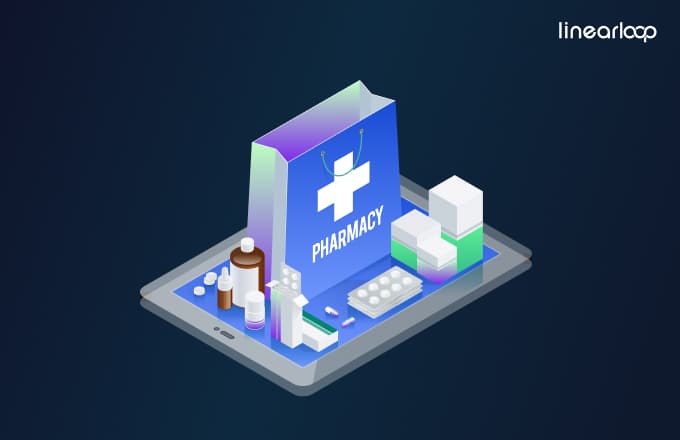
How to Develop a Pharmacy Management Software
Pharmacy management software is essential for any pharmacy business. It helps manage inventory, sales, prescriptions, customers, and more, ensuring compliance with industry regulations and standards.
However, developing pharmacy management software is not child’s play. It requires a lot of planning, research, testing, and maintenance. You need to consider the needs and expectations of your customers, the features and functionalities of your software, your system's security and reliability, and your solution's scalability and performance.
In this blog post, we'll share tips and best practices for developing pharmacy management software that meets your business goals and satisfies your customers. We'll also explain how our company can assist you with your pharmacy management software development project.
The first step in developing pharmacy management software is to understand your customers. Who are they? What are their pain points? What are their preferences? How do they interact with your software?
You can use various methods to gather customer feedback, such as surveys, interviews, focus groups, or user testing. You can also analyze the data from your existing software, such as usage patterns, error reports, or customer reviews.
Understanding your customers allows you to identify their pain points, the solutions they need, and the value they expect from your software.
You can also segment your customers into different groups based on their characteristics, behaviors, or needs. This will help you tailor your software to each customer segment and deliver a personalized experience.
Also read: Understanding Your Target Audience: A Key to Product Success
The next step in developing pharmacy management software is to define your features and functionalities. What are the core functions of your software? What are the additional features that can enhance your software? How will your features and functionalities benefit your customers?
You can use various tools to define your features and functionalities, such as user stories, use cases, wireframes, or prototypes. You can prioritize features and functionalities by importance, urgency, or feasibility. Focus on the most valuable and viable aspects of your software, avoiding unnecessary or irrelevant features.
Some of the common features and functionalities of a pharmacy management software are:
This feature allows you to track and manage your stock levels, expiry dates, reorder points, and suppliers. It also helps you optimize your inventory costs, reduce wastage, and prevent stock-outs.
This feature allows you to process and record your sales transactions, generate invoices and receipts, and accept payments. It also helps you monitor your sales performance, analyze your sales trends, and increase your revenue.
This feature allows you to manage and verify your prescriptions, check for drug interactions and allergies, and dispense medications. It also helps you comply with the legal and ethical requirements of the industry, such as HIPAA, FDA, or DEA.
This feature allows you to manage and communicate with your customers, store and update their information, and offer loyalty programs and discounts. It also helps you improve your customer satisfaction, retention, and loyalty.
This feature allows you to generate and view various reports and dashboards, such as inventory reports, sales reports, prescription reports, or customer reports. It also helps you gain insights and make data-driven decisions for your business.
The third step in developing pharmacy management software is to choose your technology stack. What are the programming languages, frameworks, libraries, databases, or tools that you will use to build your software? How will you ensure the compatibility, security, and performance of your software?
You can use various criteria to choose your technology stack, such as your budget, timeline, expertise, or requirements. You can also research and compare the pros and cons of different technologies, such as their features, functionalities, scalability, reliability, or popularity.
Some of the common technologies used for pharmacy management software development are:
This is the part of your software that interacts with your customers. It includes the user interface, design, and functionality of your software. Some of the popular front-end technologies are HTML, CSS, JavaScript, React, Angular, or Bootstrap.
This is the part of your software that handles the logic, data, and communication of your software. It includes the server, database, and application of your software. Some of the popular back-end technologies are PHP, Python, Java, Node.js, MySQL, MongoDB, or Firebase.
This is the part of your software that runs on the Internet. It includes the hosting, storage, and services of your software. Some of the popular cloud technologies are AWS, Azure, Google Cloud, and Heroku.
Also read: Tips and Best Practices for Choosing a Tech Stack for MVP
The final step in developing a pharmacy management software is to test and deploy your software. How will you ensure the quality, functionality, and usability of your software? How will you deliver your software to your customers and maintain it?
You can use various methods to test and deploy your software, such as unit testing, integration testing, user acceptance testing, or beta testing. You can also use various tools to test and deploy your software, such as GitHub, Jenkins, Selenium, or Docker.
By testing and deploying your software, you can identify and fix any bugs, errors, or issues in your software. You can also ensure that your software meets your customers’ expectations and requirements. You can also update and improve your software based on the feedback and data you receive from your customers.
Also read: The Future of Psychology-Driven Design: Navigating Trends and Technologies
Developing a pharmacy management software is a complex and challenging process. It requires a lot of time, money, and expertise. It also involves a lot of risks, such as technical glitches, security breaches, or customer complaints.
That’s why you need a reliable and experienced partner to help you with your pharmacy management software development project. That’s where we come in.
We are a leading software development company specializing in pharmacy management software. Our skilled team of developers, designers, testers, and project managers ensures every aspect of your project is handled efficiently. We have a proven track record of delivering high-quality, cost-effective solutions.
We can help you with:
If you are interested in working with us, please contact us. We would love to hear from you and discuss your project in detail.
We hope you enjoyed this blog post and learned something new. Thank you for reading and have a great day!
Mayank Patel
Aug 23, 20244 min read